
Painting a wall might seem like a simple task, but achieving a smooth, professional finish requires planning, preparation, and technique. Whether you’re tackling a small room, a feature wall, or an entire exterior, knowing where to start is crucial to avoid streaks, drips, and uneven coverage. From hiring experienced paint and wallpaper contractors near me to learning proper preparation techniques, understanding the process can make your project easier and more satisfying.
Whether you’re considering interior painting to refresh a room or exterior painting near me to boost curb appeal, the steps remain largely the same: prepare, plan, and paint strategically.
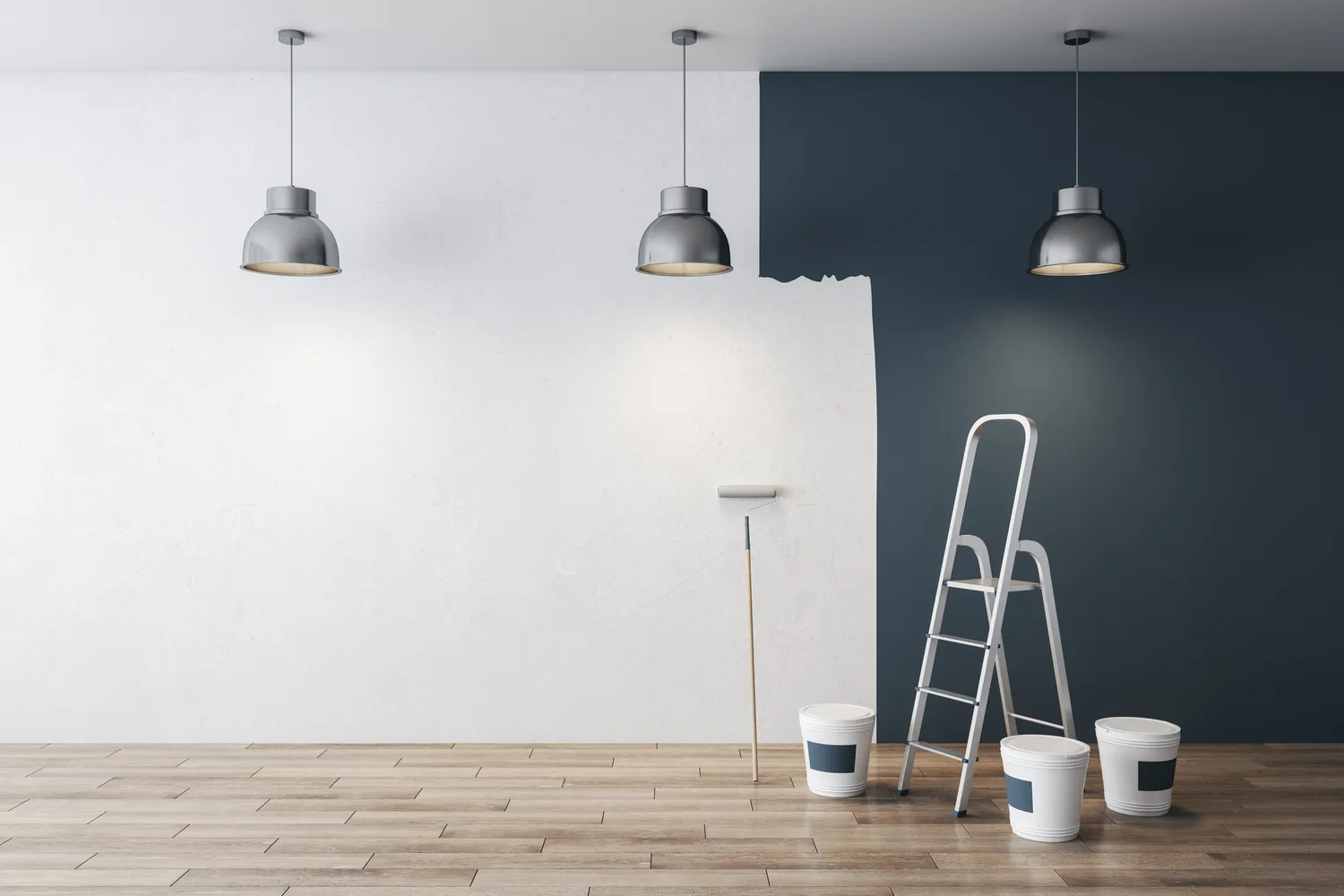
Preparing the Wall
Before applying any paint, preparation is key. A well-prepared surface ensures that the paint adheres properly and lasts longer. Here’s what to do first:
- Clear the Area: Remove furniture, cover floors with drop cloths, and tape edges around trim, windows, and doors.
- Clean the Surface: Dust, dirt, and grease can prevent paint from sticking. Use a mild detergent or cleaning solution to wipe down walls.
- Repair Imperfections: Fill holes or cracks with spackle or filler, sand smooth, and remove
dust. - Prime if Needed: For walls with stains, new drywall, or color changes, apply a coat of primer. This step is essential for interior painting projects to ensure uniform color and coverage.
By starting with a clean, smooth wall, you make the actual painting process easier and improve the overall finish. Many homeowners who search for paint and wallpaper contractors near me rely on professionals to handle this preparation because it saves time and avoids costly mistakes.
Choosing Where to Start
Once the wall is prepared, the next question is: where do you begin painting? The answer depends on the type of surface and your painting strategy:
- Top to Bottom: Many experts recommend starting at the top, painting the ceiling line or top edge first, then working downward. This helps catch drips and ensures a neat finish.
- Cutting In: Begin by “cutting in” around corners, edges, and trim using a brush. This technique creates a clean boundary before rolling larger sections.
- Roll Large Areas: After cutting in, use a roller to paint the larger sections of the wall. Work in small sections, blending each area to avoid noticeable lines.
For exterior painting near me, the process is similar but may involve additional steps like pressure washing the surface, scraping peeling paint, and using scaffolding for higher areas. Regardless of interior or exterior work, starting with a clear plan and proper sequence will make the job more efficient and result in a professional-looking finish.
Tips for a Smooth Paint Job
Even after preparation and starting in the right spot, following these tips ensures a flawless result:
- Use Quality Tools: A high-quality brush and roller make a noticeable difference in the finish and reduce streaks or lint deposits.
- Maintain a Wet Edge: When rolling, keep a wet edge to avoid lap marks. Overlapping sections while the paint is still wet ensures smooth blending.
- Apply Multiple Thin Coats: Thick coats are prone to drips and uneven drying. Two or three thin coats provide even coverage and durability.
- Check Lighting: Poor lighting can hide uneven areas. Move furniture or use temporary lights to see your work clearly.
- Clean Up Properly: Remove tape carefully and clean brushes or rollers immediately to maintain tools for future projects.
Hiring paint and wallpaper contractors near me is a smart choice if you want to skip the learning curve. Professionals bring experience, proper tools, and efficiency to both interior painting and exterior painting near me projects, ensuring a long-lasting, attractive finish.
Common Mistakes to Avoid
Even experienced DIYers can make mistakes when painting walls. Here are some common pitfalls to avoid:
- Skipping Preparation: Not cleaning or priming the wall can cause peeling, uneven coverage, or poor adhesion.
- Using Low-Quality Paint: Cheap paint may require more coats and fade faster, reducing the life of your paint job.
- Painting Over Wet Sections: Overlapping sections that are partially dry creates streaks and uneven texture.
- Neglecting Ventilation: Paint fumes can accumulate, especially during interior painting, so ensure proper airflow.
Avoiding these errors from the start saves time, money, and frustration. For those uncertain about techniques or high-traffic areas, calling paint and wallpaper contractors near me guarantees a professional outcome.
Final Thoughts
Knowing where to start when painting a wall is crucial for achieving a smooth, long-lasting finish. Begin with proper wall preparation, cut in edges first, and work top to bottom. Use quality tools and thin coats to ensure coverage and avoid common mistakes. Whether you’re tackling a DIY project or hiring experts for interior painting or exterior painting near me, following these guidelines ensures a successful paint job.
Ultimately, a well-planned painting process transforms a room or home exterior, boosting aesthetic appeal and property value. For homeowners who want peace of mind and a flawless result, professional services from trusted paint and wallpaper contractors near me are an excellent investment.